MCDB Alumni Spotlight
The Alumni Spotlight series celebrates the diverse paths and accomplishments of our Molecular, Cellular, and Developmental Biology Graduate Program alumni. Through interviews with graduates from a wide range of career fields and graduation years, we highlight their journeys, insights, and the impact of their MCDB education. Explore these stories to see where an MCDB degree can take you!
Featured Alumni Spotlight: Dr. Jessica Nunes
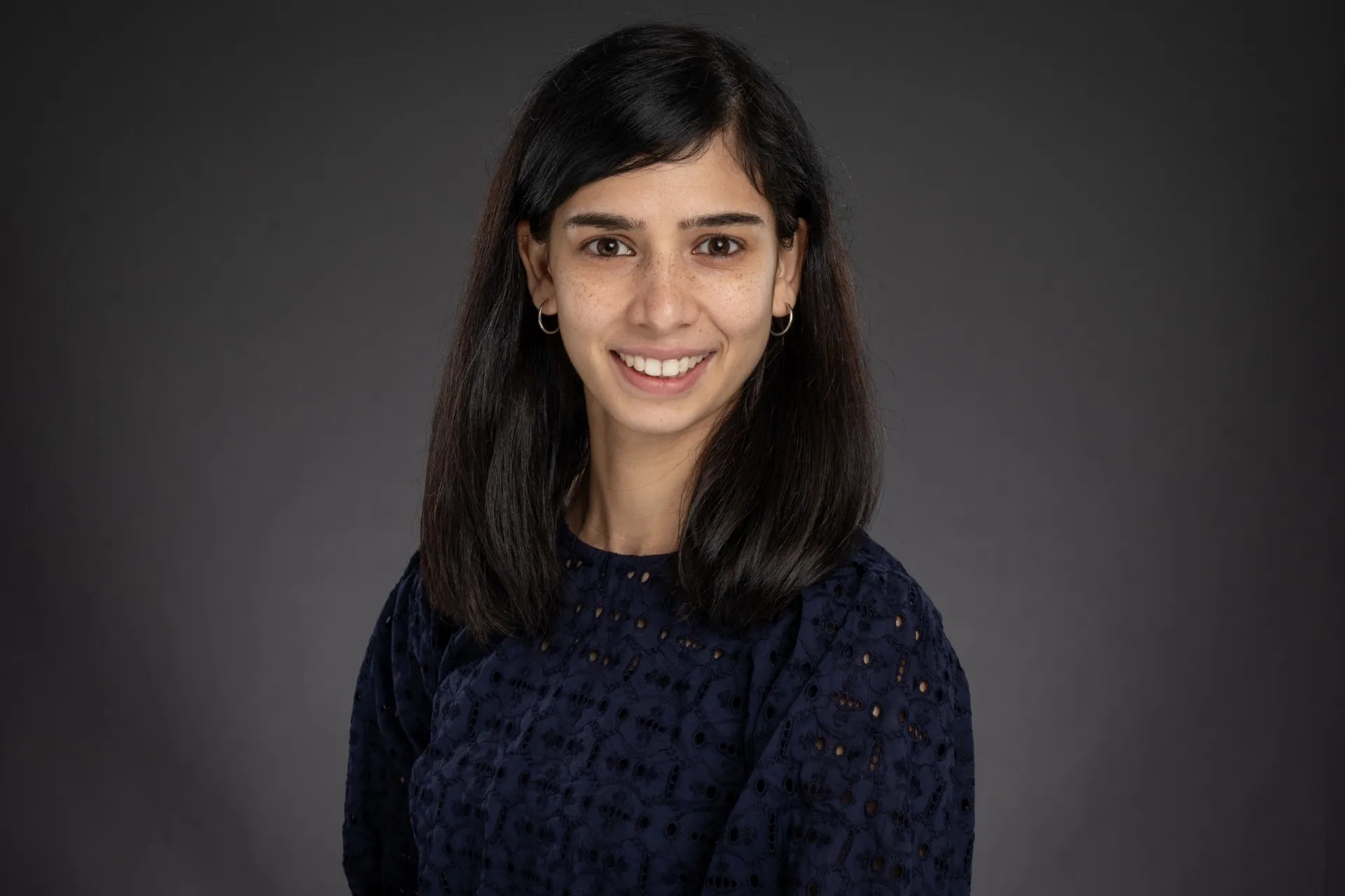
Our September MCDB Alumni Spotlight is highlighting Dr. Jessica Nunes! Dr. Nunes is a Postdoctoral Fellow at St. Jude Children's Research Hospital. She graduated from MCDB in 2023.
We asked Dr. Nunes some questions about her experience as an MCDB student, as well as her career since graduating from the program.
- What initially attracted you to the MCDB graduate program at The Ohio State University, and what are some of your strongest memories from your time in the program?
What initially attracted me to the MCDB graduate program was the opportunity to train at one of the best cancer institutes in the country. I was especially interested in being in an environment where I could develop as a scientist while working on meaningful cancer research.
One of my strongest memories from my time in the program was being a Pelotonia Fellow. Being part of the Pelotonia research program was a very meaningful experience, both scientifically and personally. I also had the opportunity to participate in the Pelotonia bike charity, which allowed me to connect with the broader cancer community and see the impact that research can have beyond the laboratory.
- Can you tell us about your career path after graduating from MCDB and how your experiences in the program helped prepare you for where you are today?
After graduating from MCDB, I continued my career in cancer research and am currently a postdoctoral researcher in Hematology at St. Jude Children's Research Hospital, where I study mechanisms that influence hematopoietic stem and leukemia cell behavior.
My experience in MCDB taught me to be resilient and confident as a scientist. Graduate school taught me that research does not always progress in a straight line, and that setbacks are an important part of the process. Those experiences prepared me well for my current career, where persistence and the ability to work through challenging scientific questions are essential.
- Looking back, what skills, experiences, or opportunities during graduate school have been most valuable in your professional career?
One of the most valuable skills I developed during graduate school was grant writing. The grant writing course I took at Ohio State helped me learn how to communicate scientific ideas clearly, develop a strong research rationale, and think critically about how to present a research question.
The conferences I attended were also extremely valuable. They gave me opportunities to present my work, learn about new research, and network with other scientists. The institute conferences, as well as the MCDB conference, were particularly helpful in developing my scientific communication and professional network.
- What challenges did you encounter during graduate school or early in your career, and what advice would you give current MCDB students facing similar challenges?
One of my biggest challenges during graduate school was that, for almost a year, I struggled to obtain good data that could answer my research question. It was frustrating to spend so much time on experiments without getting the results I was hoping for.
Looking back, I would tell my past self to stay strong and not become disheartened. Research can be unpredictable, and sometimes the experiments that do not work teach you just as much as the ones that do. Data is data, and every result gives you information that can help move the research forward.
- Were there any mentors, faculty members, classmates, or experiences within MCDB that had a particularly significant impact on your development as a scientist or professional?
Dr. Natarajan Muthusamy was the best mentor I have had, and he had a tremendous impact on my development as a scientist.
I remember having an experiment that was not working for several months. When it finally worked, he told me, “Persistence is the mark of a good scientist.” That statement has stayed with me throughout my career. It reminded me that scientific progress often requires patience and persistence, especially when things do not go as planned.
- What advice would you give current MCDB graduate students who are thinking about their future careers, whether in academia, industry, government, science communication, or other fields?
My advice would be to stick with your passion. There will inevitably be difficult periods, uncertainty, and setbacks, but having a genuine passion for what you do can help you get through those challenges.
Your career does not necessarily have to follow a perfectly defined path. Take advantage of opportunities to learn, build relationships, present your work, and explore different areas of science. Most importantly, find something that you genuinely care about. It makes life worth living.
- If you could go back and give your graduate-student self one piece of advice—or share one thing you wish you had known when you started at MCDB—what would it be?
I would tell myself not to get discouraged when things do not work out as expected. Scientific research involves a lot of uncertainty, and there will be experiments that fail and questions that take much longer to answer than you anticipate.
I would remind myself to stay persistent, trust the process, and remember that setbacks do not define you as a scientist. Sometimes, you simply have to keep going until the experiment finally works.
2026 Alumni Spotlights
Dr. Revati Dewal
Our February MCDB Alumni Spotlight is highlighting Dr. Revati Dewal! Dr. Dewal is a Senior Editor at Nature Metabolism. She graduated from MCDB in 2021.
We asked Dr. Dewal some questions about her time in MCDB, as well as her career after graduating.
What is your current job and what does that entail?
I’m currently a Senior Editor at Nature Metabolism (https://www.nature.com/natmetab/content). As a full-time editor, I get to work closely with scientists to identify and highlight some of the most exciting advances in metabolic research. My role involves guiding authors through the entire publication process, from the initial submission and peer review all the way to final acceptance. Beyond handling manuscripts, I also stay actively engaged with the research community and participate in shaping the scientific direction of the field
How does your work relate to your time in the MCDB program? How did your time in MCDB prepare you for this job?
As part of the MCDB Graduate Program, I worked in the laboratory of Dr. Kristin Stanford, where I studied metabolic physiology and the role of adipose tissue in diverse contexts, including exercise, diabetes, obesity, and cardiovascular disease. I also contributed to projects involving other metabolically active tissues such as liver, muscle, and even the brain. Beyond research, my excellent and highly talented colleagues in the lab, and the highly collaborative and friendly nature of the MCDB program, exposed me to a wide range of scientific topics and career paths, both academic and non-academic. That experience played a big role in helping me realize that a career in scientific editing was the right fit for me.
Are there any specific accomplishments that you're proud of since graduating that you would like to highlight?
Academically, I am deeply grateful for the support I received from people in my lab, in MCDB, the PCB and DHLRI departments, and from my mentor, Dr. Stanford, which gave me the confidence to apply for postdoctoral positions I never would have considered otherwise. That leap of faith (along with a lot of hard work) led me to an excellent postdoctoral position with Dr. Christian Wolfrum at ETH Zurich in Switzerland, something I never imagined when I began my PhD. Outside of academia, I am proud of becoming more confident in my skills, adapting to life and customs in three different countries over the past decade, and learning German – which has definitely been a challenge!
What is your favorite memory that you have of MCDB?
While my five years at OSU and in MCDB will always be deeply cherished, one of my favorite memories is my first conversation with Dawn and Tony, when I explained why I wanted to transfer from another graduate program into MCDB. Years later, hearing them say they were happy they gave me that chance was incredibly meaningful to me.
What is one piece of advice that you have for current MCDB students? (This can be related to finding a job outside of the program, lab work, something about campus, etc.)
Don’t be afraid to ask questions, even the ones that feel silly. There truly are no stupid questions. And while it’s great to have a clear plan for the future, it’s also completely okay if you don’t. Take risks, explore different opportunities, and try new things. Sometimes the most rewarding paths come together when you least expect them.
What's something fun or interesting that you've done recently?
The past few years have been a whirlwind—in the best way. I’ve moved countries twice, adopted two cats, gone paragliding, and visited many new places around the world. I feel incredibly lucky to have a career that allows me to travel internationally, which was definitely a perk I considered when transitioning from postdoctoral research to an editorial role.
Is there anywhere online where students can learn more about your work or connect with you?
Yes! On LinkedIn or via email.
Dr. Andrea Keller
Our March MCDB Alumni Spotlight is highlighting Dr. Andrea Keller! Dr. Keller is an Assistant Professor in the Biology & Chemistry Department at Asbury University. She graduated from MCDB in 2023.
We asked Dr. Keller some questions about her experience as an MCDB student, as well as her career since graduating from the program.
Can you briefly describe your current role and the path that led you there after graduating from the MCDB program?
I am an assistant professor in the Biology & Chemistry Department at Asbury University, which is a liberal arts school in Wilmore, KY. My primary role is teaching various biology courses and labs, from intro level to upper division, for both majors and non-majors. A small portion of my job is devoted to personal research interests, and I also mentor students on their capstone research projects. Prior to graduating from MCDB, I had reached out to old connections from my current institution just to get in touch again, as I obtained my undergraduate degree from the same school. When I became aware of the job opening, I worked with my PI and committee to map out a timeline for graduation that enabled me to transition directly to this role.
Looking back, what part of the program best prepared you for your current role?
Perhaps surprisingly, my experiences in some of the MCDB courses and seminars were very helpful in preparing for my current position. Every student had to learn to present well and write well through the seminars, grant writing courses, and scientific writing courses, which are pieces I use or think about daily as I’m prepping lectures or making curriculum decisions. In my first few semesters, I was often tweaking lecture presentations up until the last minute, and to have the confidence from giving so many talks (last minute or not!) and standing at so many posters made this aspect easy. I often think back to those core courses, too, and consider what kinds of activities helped me as a student understand a topic or technique better. I teach a research methods class as well, and even if my current institution does not have the same resources as a place like OSU, I still pull on all of my research experiences to teach how to get better at reading papers, how to plan experiments, and how to write or present clearly.
What is one memorable or favorite moment that you have from your time at OSU or in the MCDB program?
It’s hard to pinpoint one favorite moment in the program, but I will say in general that one aspect I always appreciated about MCDB was the diversity of people across the program, labs, and seminars. I enjoyed meeting lots of different people and eating lots of diverse food at various holiday functions or events.
If you could go back to your first year in MCDB, what would you tell yourself?
There is so much more reading and planning involved than you expect. At times it felt like most of the work was planning and only a small portion was actually running experiments. Take the time to really plan an experiment well.
Outside of work, what's something fun or interesting that you've done recently?
I love to bake, and a friend gifted me some sourdough starter for Christmas. Buying a kitchen scale and measuring ingredients for the perfect bread is so satisfying – I enjoy feeling like a scientist at home too, just a little bit.
Is there anywhere online where students can learn more about your work or connect with you?
I am on LinkedIn, otherwise through my Asbury University email/webpage.
Dr. Kelsey Schaefers
Our April MCDB Alumni Spotlight is highlighting Dr. Kelsey Schaefers! Dr. Schaefers is a Senior Scientific Associate at VML Health. She graduated from MCDB in 2021.
We asked Dr. Schaefers some questions about her experience as an MCDB student, as well as her career since graduating from the program.
Can you briefly describe your current role and the path that led you there after graduating from the MCDB program?
I am a senior scientific associate, which is essentially a senior medical writer with VML Health. After graduating from MCDB, I did a post-doc at Vanderbilt. During my postdoc, I started volunteering for the medical center’s newspaper writing short summaries of new papers coming out from Vandy. I absolutely loved doing this and decided to seek out more writing opportunities which led me to interning with Precision AQ. After my internship, I accepted a full-time offer as a medical writer with Precision AQ and worked there for 2 years. I then switched to VML Health a year ago.
Looking back, what part of the program best prepared you for your current role?
Probably candidacy or defending, I spend a lot of time writing (obviously) and a lot of time having my work reviewed by clients and answering their questions!
What is one memorable or favorite moment that you have from your time at OSU or in the MCDB program?
One of my favorite memories was the MCDB Halloween party. It was just so fun being able to have fun with all my colleagues instead of being in a lecture or class together! I was also the recruitment coordinator for 2 years and LOVED every recruitment event!
If you could go back to your first year in MCDB, what would you tell yourself?
I know it feels super hard now, but keep going! You are actually going to do amazing in this program and make yourself so proud!
Are there any specific accomplishments that you're proud of since graduating that you would like to highlight?
All of my publications! Personal and for my clients, every paper I get out feels like a huge win!
Outside of work, what's something fun or interesting that you've done recently?
I just had a baby! She is 4 months old!
Is there anywhere online where students can learn more about your work or connect with you?
I’m on LinkedIn!
Dr. Sanjana Rajan
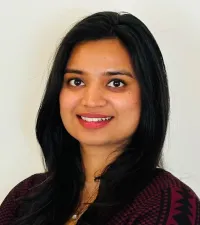
Our May MCDB Alumni Spotlight is highlighting Dr. Sanjana Rajan! Dr. Rajan is a Senior Computational Scientist in Immunology R&D Discovery at Johnson & Johnson. She graduated from MCDB in 2021.
We asked Dr. Rajan some questions about her experience as an MCDB student, as well as her career since graduating from the program.
Can you briefly describe your current role and the path that led you there after graduating from the MCDB program?
I’m currently a Senior Computational Scientist in Immunology R&D Discovery at Johnson & Johnson. In simple terms, I use data—especially large human and preclinical datasets—to help answer hard biological questions that guide how new therapies are developed for autoimmune diseases. I work on things like identifying promising drug targets, understanding how they work, figuring out which patients might benefit most, and thinking through combination therapy strategies.
During my PhD in Dr. Ryan Roberts’ lab, I worked heavily with genomic and single‑cell data at a time when these approaches were still pretty new in our group. There wasn’t a pre‑existing playbook, so I had a lot of ownership over building analysis workflows and figuring out how to extract biological meaning from very complex datasets. Along the way, I realized that I genuinely loved that process—and that skillset ended up being exactly what helped me transition directly from graduate school into an industry scientist role.
Looking back, what part of the program best prepared you for your current role?
MCDB prepared me in more ways than I fully appreciated at the time. The writing and presentation training really sharpened how I think about problems and how I communicate ideas—skills I use every single day now. The many chances to present my work, whether through seminars, competitions, or interdisciplinary talks, helped me learn how to explain complex science clearly and confidently to different audiences.
Equally important were the mentors and relationships I built through the program. Those conversations—about science, careers, and life after grad school—played a direct role in helping me find my path and land my first role.
What is one memorable or favorite moment from your time at OSU or in the MCDB program?
There are honestly so many. I loved participating in the Three‑Minute Thesis competitions, and I also really cherished the sense of community within MCDB—things like lab outings, the MCDB Halloween gatherings, and coming together for seminar series. Some of my favorite memories are simply spending time with my fellow MCDB students outside the lab, reconnecting during seminars, and remembering that we were all in this together.
If you could go back to your first year in MCDB, what would you tell yourself?
I would tell myself that it’s okay to not have everything figured out right away. Growth comes from trying things, making mistakes, and taking ownership, even when it feels uncomfortable. I’d also remind myself to ask questions sooner, seek feedback more often, and not underestimate how valuable the relationships you build during grad school will become later.
Are there any specific accomplishments since graduating that you’d like to highlight?
One thing I’m most proud of is building a career where I get to own projects end‑to‑end—from defining the scientific question, to designing analyses and studies, to helping influence real decisions about which therapies move forward. Being able to see a clear line from my training in MCDB to the impact I have now has been incredibly rewarding.
Outside of work, what’s something fun or interesting you’ve done recently?
I recently became a parent, and one of the highlights of the past year was traveling to Hawaii with my baby daughter when she was four months old. Spending that time together as a family—and doing it somewhere so beautiful—was special.
Is there anywhere online where students can learn more about your work or connect with you?
Students are welcome to connect with me on LinkedIn. I’m always happy to chat with current MCDB students about careers in computational biology, industry science, or navigating the transition after graduate school.
Dr. Daniel Arango
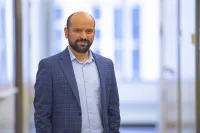
Our May MCDB Alumni Spotlight is highlighting Dr. Daniel Arango! Dr. Arango is an Assistant Professor in the Department of Pharmacology at Northwestern University. He graduated from MCDB in 2015.
We asked Dr. Arango some questions about his experience as an MCDB student, as well as his career since graduating from the program.
Can you briefly describe your current role and the path that led you there after graduating from the MCDB program?
I am an Assistant Professor in the Department of Pharmacology at Northwestern University. After graduating from the MCDB program, I pursued postdoctoral training in RNA biology at the National Cancer Institute at the National Institutes of Health before moving to Chicago to start my research group at Northwestern.
Looking back, what part of the program best prepared you for your current role?
Everything about a PhD program best prepares you to lead a scientific team, though I didn't really realize it as a graduate student. The most important aspects are resilience and critical thinking, but the program also provided opportunities to teach and mentor younger trainees, as well as to develop my writing and oral communication skills. What is perhaps most distinctive about MCDB is its multidisciplinary nature, which instills the ability to see and understand the "big picture" from an early stage. All of the above are essential aspects of my current role.
What is one memorable or favorite moment from your time at OSU or in the MCDB program?
One memorable, but not my favorite moment, was the candidacy exam. That was tough. My favorite moment was when my committee told me, "Congratulations, Dr." after my thesis defense. Outside the lab, those Saturday football games were both fun and memorable. Once a Buckeye, always a Buckeye!
If you could go back to your first year in MCDB, what would you tell yourself?
It will be fine!When you start a PhD, the end seems unachievable, and at moments you think you won't be able to do it. But as it turns out, everything works out in the end.Are there any specific accomplishments since graduating that you’d like to highlight?
I started my PhD studies with the goal of becoming a principal investigator and professor in a research university. I achieved this goal six years after graduating from the MCDB program.
Outside of work, what’s something fun or interesting you’ve done recently?
Vacations in Morocco.
Is there anywhere online where students can learn more about your work or connect with you?
You can visit out lab website https://sites.northwestern.edu/arangolab/, and my social media: https://www.linkedin.com/in/daniel-arango/ @danyarango.bsky.social
Dr. Anisha Kalidindi
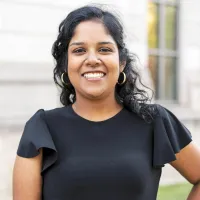
Our June MCDB Alumni Spotlight is highlighting Dr. Anisha Kalidindi! Dr. Kalidindi is an Engagement Manager at McKinsey & Company. She graduated from MCDB in 2022.
We asked Dr. Kalidindi some questions about her experience as an MCDB student, as well as her career since graduating from the program.
Can you briefly describe your current role and the path that led you there after graduating from the MCDB program?
I'm an Engagement Manager at McKinsey & Company, where I work with life sciences companies on strategy and operations. That can look like a lot of different things. Helping an organization build better processes for tracking drug assets from early research through clinical development, or supporting due diligence on mergers and acquisitions.
My path here wasn't exactly linear. In MCDB I was deep in neuroscience research, and for a long time I assumed I'd go the academic route. I even had funding lined up for a postdoc. But somewhere along the way I got curious about what it actually looks like to translate science into real-world impact at scale. Consulting felt like a way to stay close to the science while also getting to engage with the bigger strategic and business questions in the industry.Looking back, what part of the program best prepared you for your current role?
Learning how to sit with uncertainty and keep going anyway. Research doesn't follow a clean script. Experiments fail, hypotheses fall apart, and you have to figure out how to adapt without losing momentum. That's been really useful in consulting, where ambiguity is basically a constant.
The program also taught me a lot about working with people. Graduate school can feel like a very individual pursuit, and in some ways it is. You own your thesis, you're responsible for driving your own work forward. But my experience in the lab was really team driven. A lot of our experiments required multiple people, so we were constantly collaborating with lab mates, sharing resources, and figuring out how to get things done together. That balance of individual ownership and team collaboration is something I rely on in my work now.What is one memorable or favorite moment that you have from your time at OSU or in the MCDB program?
It's the small stuff I remember most. The everyday moments with classmates, running to the hospital cafeteria in the middle of a long experiment day, debriefing over bad coffee, laughing through the frustrating stretches. I was lucky enough to have someone from my cohort in the same lab, which made those long days a lot more bearable.
And then there were the late-night time points. When you study circadian rhythms, you end up in the lab at some genuinely unreasonable hours, working under red lights and watching mice for hours. At the time it felt exhausting. Looking back, those nights are some of my most vivid memories from graduate school. There's a real intimacy to doing that kind of work with people you trust, working towards a common goal. It's something I still find in consulting today. A lot of what I do happens in small teams, working through hard problems together, and some of the best moments come from those late nights.If you could go back to your first year in MCDB, what would you tell yourself?
Write a plan, but do it in pencil.
I came into graduate school with a clear vision of where I was headed, and I'm glad I had that direction. But the most important things I did were the detours. Writing popular science pieces. Working in the tech transfer office on patent applications. Neither became my career, but both opened doors I didn't know existed and helped me understand how science creates impact far beyond the lab.Are there any specific accomplishments that you're proud of since graduating that you would like to highlight?
Putting down real roots in Cleveland. After grad school, it would have been easy to treat wherever I landed as temporary. Instead I leaned in. I joined the board of a local public high school focused on science and medicine, and getting to meet students as they start to explore careers in healthcare and science is one of the most rewarding things I do. It keeps me connected to what drew me to science in the first place.
Graduate school can feel like you're always in transit. Finding community and investing in the place you actually live has been really meaningful.Outside of work, what's something fun or interesting you've done recently?
Honestly, mostly following our dog Moose around. Cleveland's neighborhoods, the lake, and the Metroparks have given us plenty to explore.
Is there anywhere online where students can learn more about your work or connect with you?
Feel free to reach out via LinkedIn or email, whether you're thinking about consulting, exploring what comes next, or just have questions about life after MCDB.
Dr. Iftekhar Showpnil
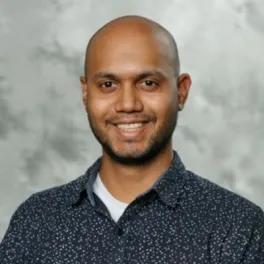
Our July MCDB Alumni Spotlight is highlighting Dr. Iftekhar Showpnil! Dr. Showpnil is a Bioinformatics Analyst at Nationwide Children's Hospital. He graduated from MCDB in 2022.
We asked Dr. Showpnil some questions about his experience as an MCDB student, as well as his career since graduating from the program.
- Can you briefly describe your current role and the path that led you there after graduating from the MCDB program?
I oversee genomic analysis for a couple of translational research protocols at the Institute for Genomic Medicine (IGM) at Nationwide Children's Hospital (NCH). We primarily work with multi-omics data from undiagnosed individuals with rare genetic disorders. By the time graduation came around, I already had a young family, and we wanted to stay in the Columbus area. I contacted several hiring managers and PIs within NCH for open roles a few months prior to graduation and ended up joining IGM shortly after. - What is one memorable or favorite moment that you have from your time at OSU or in the MCDB program?
At OSU, I enjoyed meeting people from all over the world and making some great friends along the way. - If you could approach your time in the program differently, what would you change?
Grad programs are well designed to provide students with the training and skills necessary to succeed. At the same time, it can be easy for someone immersed in research to become highly analytical and lose sight of empathy. I would probably invest more time and energy in friendships and relationships that matter most and be intentional about showing up for people at every opportunity. - What skills (technical or non-technical) did you gain during your PhD that you use regularly today?
This is not unique to graduate school, but the most important skill to me is the ability to treat people with the same level of respect that you would expect from others. - Are there any specific accomplishments that you're proud of since graduating that you would like to highlight?
I am very thankful for our community that grew out of my time at OSU and beyond. Grateful for my friends and family every day. - Outside of work, what do you like to do for fun?
Reading to my kids, exploring metro parks. - Is there anywhere online where students can learn more about your work or connect with you?
Absolutely. I am always happy to connect with students, alumni, and anyone else looking to expand their network. I am not active on most social media platforms, but you can reach out to me on LinkedIn (https://www.linkedin.com/in/iftekharshowpnil) or via email (shopnil99@gmail.com).
Dr. Siddhi Nath Paudel
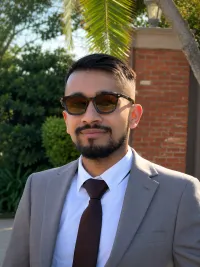
Our July MCDB Alumni Spotlight is highlighting Dr. Siddhi Nath Paudel! Dr. Paudel is a Scientist in the Oncology In Vivo Pharmacology group at Amgen. He graduated from MCDB in 2023.
We asked Dr. Paudel some questions about his experience as an MCDB student, as well as his career since graduating from the program.
- Can you briefly describe your current role and the path that led you there after graduating from the MCDB program?
I am a Scientist in the Oncology In Vivo Pharmacology group at Amgen’s headquarters in Thousand Oaks, California. My current role is focused on developing and refining a translational framework for evaluating emerging cancer therapies in murine models before they advance to clinical testing. This includes selecting appropriate tumor models, defining dosing schedules, choosing meaningful efficacy and biomarker readouts, and generating data packages that help inform translational decision-making. The overarching goal is to advance new drugs and increase the number of promising therapies that reach the clinic.
Since in vivo pharmacology sits at the critical stage between early discovery and FDA-regulated human testing, my vantage point allows me to observe innovative drugs being discovered in the resource-privileged setting of big pharma, as well as help resolve the translational challenges of pushing these promising ideas into the clinic.
Even before I joined MCDB, I was always driven by the translational impact of research to fulfill unmet patient needs by delivering innovative therapies. My perspective at that time, and even more so now, is that this goal often comes to fruition only at the crossroads of research excellence and stellar translational execution in a resource-intensive setting. I joined MCDB to hone my scientific career. After completing my PhD in Dr. Tim Cripe’s lab at Nationwide Children’s Hospital, I also completed a short postdoc in the same lab. Dr. Cripe’s lab was working on a very new modality that utilizes in vivo engineering for cancer therapy. The idea was to use an investigational AAV-based gene therapy to instruct cells in the body to produce a CD19 T cell engager against cancer. The upside was that this approach could continuously release therapy through a single infusion and maintain long-term protein levels. As exciting and innovative as this approach was, advancing this modality to the clinic was a monumental and challenging task that reinforced my purpose of dedicating my time to such endeavors. The therapy has now advanced to a clinical trial. There was no better place than Amgen, with its arsenal of existing and emerging modalities, stellar science, and massive resources, where I could pursue this endeavor and fulfill my passion. Thankfully, I got the role and have been there ever since.
- What is one memorable or favorite moment that you have from your time at OSU or in the MCDB program?
It is hard to pinpoint one particular moment, but the friends I made while at OSU and in the MCDB program, hanging out with them after MCDB seminars, studying together before a challenging graduate school course, or even decorating their wedding venue in a different state, are memories I will cherish forever. I would have never met them had I not joined OSU.
- If you could approach your time in the program differently, what would you change?I would probably dive deeper into the entrepreneurial side of science by strategically tapping into MCDB and OSU’s resources.
- What skills (technical or non-technical) did you gain during your PhD that you use regularly today?All of the in vivo skills that I use routinely and that fulfill a major portion of my job duties were gained during my PhD. My presentation skills were nurtured mostly by my PI and the seminar course at MCDB. As I am writing this, it would be unjust not to acknowledge that who I am as a scientist is largely shaped by my PhD journey at MCDB.
- Are there any specific accomplishments that you're proud of since graduating that you would like to highlight?My PhD was mostly related to immunotherapy. Since then, I have worked primarily with small molecules and molecular glue degraders to develop drugs against innovative targets. I am proud of being exposed to different drug development modalities and learning the inner workings of each of them post-graduation.
- Outside of work, what do you like to do for fun?I love going into the woods every now and then, taking my camping gear, and relaxing to unwind my mind whenever feasible.
- Is there anywhere online where students can learn more about your work or connect with you?Please feel free to connect with me on LinkedIn.
Dr. Yu-Ci Syu
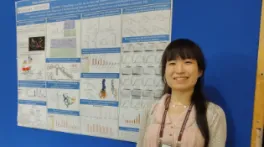
Our August MCDB Alumni Spotlight is highlighting Dr. Yu-Ci Syu! Dr. Syu is a Postdoctoral Research Scientist at Columbia University Irving Medical Center. She graduated from MCDB in 2022.
We asked Dr. Syu some questions about her experience as an MCDB student, as well as her career since graduating from the program.
What initially attracted you to the MCDB graduate program at The Ohio State University, and what are some of your strongest memories from your time in the program?
Before joining the MCDB graduate program, I worked as a research assistant in Dr. Soo-Chen Cheng’s lab at Academia Sinica. During that time, Dr. Cheng suggested that I speak with another faculty member at Academia Sinica, Dr. Tien-Hsien Chang, who had previously been a professor at OSU. I spoke with him, and he introduced me to the Center for RNA Biology (CRB) at OSU and the research areas of the CRB faculty. Because I already knew that I wanted to pursue RNA-related research, OSU seemed a great fit for me. Around the same time, Dr. Anita K. Hopper visited Academia Sinica to give a seminar. I had the opportunity to speak with her afterward, and she highly recommended the MCDB graduate program. She also mentioned that the new CBEC building had recently opened, which reflected OSU’s strong commitment to supporting scientific research. I was also drawn to the multidisciplinary and flexible nature of the MCDB graduate program.One of my strongest memories from the program is the annual three-minute thesis competition. I really enjoyed the sense of belonging that came from seeing the MCDB community come together for this event. Other memorable moments include studying for exams with my cohort in the library, taking an evening trip to the Columbus Zoo with them, and attending summer pool parties with lab mates at the house of my PhD advisor, Dr. Karin Musier-Forsyth.Can you tell us about your career path after graduating from MCDB and how your experiences in the program helped prepare you for where you are today?
After graduating from MCDB, I remained in Dr. Karin Musier-Forsyth’s lab as a postdoctoral researcher for another year to complete my ongoing research and publications. During that year, I attended a conference to present my work. At lunch during the conference, Karin introduced me to several faculty members sitting at the same table. My current postdoctoral advisor, Dr. Stephen P. Goff, was one of them. Coincidentally, he had an HTLV-1-related project that closely aligned with my PhD research, and I was fortunate to have the opportunity to join his lab as a postdoctoral research scientist. Looking back, I am grateful to the mentors who guided and supported me throughout my training.In many MCDB courses, we were required to present our research, discuss scientific literature, or write mini-grant proposals. These experiences strengthened my skills in scientific communication and critical thinking, all of which I have continued to apply throughout my research career.Looking back, what skills, experiences, or opportunities during graduate school have been most valuable in your professional career?
The ability to think critically and solve problems that I developed during graduate school has been one of the most valuable skills in my professional career. These skills are useful regardless of whether one pursues a career in academia, industry, or other fields. Serving as a TA in a graduate-level class and mentoring rotation students and graduate students helped me develop my mentoring skills. In addition, opportunities to attend conferences helped me broaden my scientific perspective and build professional connections. I am grateful to MCDB for providing a travel award that made it possible for me to attend one of these conferences.What challenges did you encounter during graduate school or early in your career, and what advice would you give current MCDB students facing similar challenges?
During the first few years of graduate school, I spent a lot of time troubleshooting and optimizing experimental protocols. At the time, these challenges often felt overwhelming, but persistence eventually paid off. These experiences taught me that research often requires patience and that troubleshooting and optimization are parts of the research process. Every small step forward contributes to larger progress and brings you closer to your goals.If you could go back and give your graduate-student self one piece of advice—or share one thing you wish you had known when you started at MCDB—what would it be?
I wish that I had spent more time engaging with my peers and learning from their expertise. I wish that I had taken more opportunities to learn about techniques, such as NMR, cryo-EM, mass spectrometry, CRISPR, and next-generation sequencing. Simply talking with people who have experience using these techniques would have helped me learn much more efficiently. Graduate school offers countless opportunities beyond your own research project, so don’t hesitate to ask questions and learn from the people around you. Some of the most valuable lessons might come from conversations outside the lab.
2025 Alumni Spotlights
Dr. Monica Blatnik
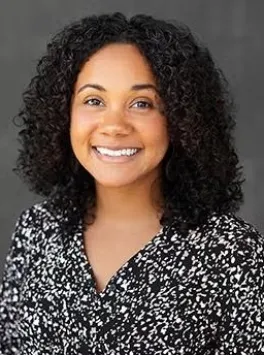
Introducing our first MCDB Alumni Spotlight! With this series, we hope to shine some light on our awesome alumni, as well as giving our current students some advice from previous MCDB students!
Our first MCDB Alumni Spotlight is Dr. Monica Blatnik! Dr. Blatnik is an Assistant Professor of Biology at Oberlin College. She graduated from MCDB in 2023.
We asked Dr. Blatnik some questions about her time in MCDB, as well as her career after graduating. You can read our full interview below:
What is your current job and what does that entail?
I am currently an Assistant Professor in the Biology Department at Oberlin College and Conservatory (a primarily undergraduate university). My job is a mix of teaching and research; on average I teach 4-5 courses per year, both introductory and upper-level biology classes. When I’m not teaching (or prepping lectures or grading!), I mentor undergraduate students on independent research projects during the school year and over the summers. I also serve on various committees, help oversee departmental duties, and advise students with their class schedules. There are lots of unofficial parts of my job that I do as well – but those are the highlights!
How does your work relate to your time in the MCDB program? How did your time in MCDB prepare you for this job?
As a graduate student in the program, I held various positions in the MCDB GSO, which helped develop important leadership skills that I still use today! I attended workshops on fellowship writing and public speaking, which helped during grad school and beyond. I was a TA for Molecular Genetics classes, which gave me an opportunity to get an idea of what it would be like to teach undergraduate students! I also had the chance to take a class that was focused on developing biology courses using evidence-based pedagogy through the Drake Institute for Teaching and Learning. In addition to learning about pedagogy, I learned how to prepare lectures, adopt inclusive teaching practices, and write a teaching statement. For anyone interested in teaching, there are so many excellent resources available for graduate students and post docs through the Drake – I highly recommend using them!
What is your favorite memory that you have of MCDB?
My favorite MCDB memories were the Halloween parties! It was a blast getting to hang out with peers and faculty in MCDB (costumed and not) outside of a professional setting. The dessert contest never disappointed either (Dawn’s desserts were always the best!).
What's something fun or interesting that you've done recently?
Well, I am a mom of an on-the-go 18-month-old, so any free time I have I spend with family (which means lots of baby books, silly songs, and Sesame Street).
Is there anywhere online where students can learn more about your work or connect with you?
If anyone is interested in learning more about the ins and outs of teaching at a primarily undergraduate university, you can connect with me on LinkedIn or reach out via email (mblatnik@oberlin.edu)!
Thank you again to Dr. Blatnik for agreeing to participate in our kickoff MCDB Alumni Spotlight!
Dr. Anuvrat Sircar
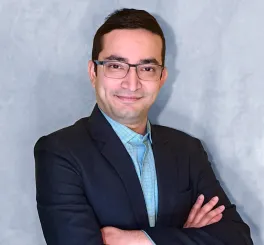
Our October MCDB Alumni Spotlight is highlighting Dr. Anuvrat Sircar! Dr. Sircar is a Senior Scientist, Translational Research, Hematology Oncology R&D at AstraZeneca. He graduated from MCDB in 2024.
We asked Dr. Sircar some questions about his time in MCDB, as well as his career after graduating. You can read our full interview below:
What is your current job and what does it entail?
I’m currently working as a Senior Scientist, Translational Research, Hematology Oncology R&D at AstraZeneca. My role involves building translational strategies for various Hematological malignancy indications and developing pre-clinical and clinical PD assays for clinical trials. It also encompasses leading efforts focused on understanding drug resistance, elucidating mechanisms of action, and identifying novel biomarkers.
How does your work relate to your time in the MCDB program? How did your time in MCDB prepare you for this job?
My current role directly builds upon the training I received in the MCDB program. During my time in Dr. Lalit Sehgal’s lab, I conducted research on novel therapeutic targets and mechanisms of drug resistance in Mantle Cell Lymphoma. This experience naturally guided my transition into the Hematology/Oncology industry, where I now work with a leading organization dedicated to transforming cancer care for patients.
One of the key skills I developed during my time in the MCDB program was effective networking across both academic and industry settings. Participating in academic–industry collaborations gave me valuable insight into the drug discovery pipeline, which greatly facilitated my transition into the biotech and pharmaceutical industry.
Are there any specific accomplishments that you’re proud of since graduating that you would like to highlight?
I transitioned into the industry immediately after graduating, and shortly thereafter, was appointed as the Lymphoma Research Strategy Lead within the Hematology Translational Research team. This role has been especially rewarding, as it allows me to contribute directly to advancing and personalizing care for patients with lymphoma.
What is your favorite memory that you have of MCDB?
The MCDB program has played a tremendous role in shaping both my professional and personal growth. It’s difficult to single out just one memory, as I carry so many meaningful moments from that time with me. However, one that stands out vividly is Orientation Day — when Tony and Dawn warmly welcomed us into the program, and we introduced ourselves to one another, forming the foundations of lasting friendships. The inspiring talks that followed from the distinguished faculty deeply sparked my scientific curiosity and instilled in me a profound appreciation for the incredible research happening within MCDB — along with a strong sense of pride in being part of that community.
What is one piece of advice that you have for current MCDB students?
One piece of advice I would offer to current MCDB students is to develop a clear understanding of your career objectives and long-term goals—whether you aspire to pursue a career in academia or transition into industry. Each path requires a distinct set of skills and experiences, and the earlier you can identify your direction, the better positioned you will be to build the necessary competencies and excel in your chosen field. Additionally, make networking a priority. Engage with professionals who are currently working in areas that interest you, and take the time to learn about the evolving market demands and opportunities.
What’s something fun or interesting that you’ve done recently?
My wife and I are big fans of Halloween, and since we’re now based in New England, we couldn’t resist visiting the “spooky town” of Salem, MA. We recently took one of the nightly ghost tours there, and it was an incredible experience. The entire city comes alive with festive decorations, themed activities, and an atmosphere that truly captures the spirit of Halloween. It’s an absolute must-visit for anyone intrigued by the history and lore of witchcraft!
Is there anywhere online where students can learn more about your work or connect with you?
You can find me on LinkedIn. I’m always available for anyone wishing to have a chat or learn more about my work. Let’s connect!
Thank you again to Dr. Sircar for agreeing to participate in our MCDB Alumni Spotlight series!
Dr. Danni Jin
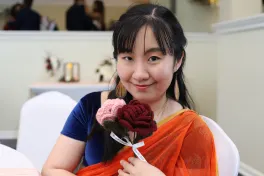
Our November MCDB Alumni Spotlight is highlighting Dr. Danni Jin! Dr. Jin is a postdoctoral associate at Yale University. She graduated from MCDB in 2021.
We asked Dr. Jin some questions about her time in MCDB, as well as her career after graduating.
What is your current job and what does that entail?
I am currently a postdoctoral associate at Yale University, in the laboratory of Dr. Wendy Gilbert. My current research focuses on how viral proteins affect translation initiation in human cells.
How does your work relate to your time in the MCDB program? How did your time in MCDB prepare you for this job?
My research experience during my time in the MCDB program helped shape my research interest. When I first started grad school in 2015, I was looking for a retrovirus lab given my undergraduate research experience. I joined Dr. Karin Musier-Forsyth’s lab where I studied the functions of tRNAs and tRNA synthetases in HIV replication. This project and a tRNA-related side project made me interested in the regulation of human translation machinery and motivated me to do postdoctoral research in the field of translational control.
MCDB faculty mentors were very supportive when I was looking for a postdoc position. Dr. Michael Kearse was a great help when I explored potential labs. My PI Karin and committee members Dave Bisaro and Kotaro Nakanishi provided strong recommendations that helped me land my current position.
Are there any specific accomplishments that you're proud of since graduating that you would like to highlight?
I was fortunate enough to be awarded an American Cancer Society postdoctoral fellowship that supports my current postdoctoral research.
What is your favorite memory that you have of MCDB?
My favorite memory with MCDB is participating in the annual 3-minute thesis competition. It was challenging and a lot of fun introducing my research topic to a general audience in a creative way!
What is one piece of advice that you have for current MCDB students?
Always be aware of the motivations behind the experiment you are doing. What questions are being answered? What existing data motivate these experiments? What problems are being solved? Prioritize the well-motivated experiments and avoid aimlessly trying many things at the same time. Discuss with your PI/mentor the motivation behind the experiment they told you to do. This mindset keeps your effort focused and your inner flame alive. I would like to pass on a piece of advice I got from my first rotation mentor (former MCDB faculty Dr. Li Wu): “Keep your research focused and keep your mind open.”
As for lab work, my advice would be to always validate any information given to you by others. Double check calculations in that Excel sheet. Sequence that plasmid. Make sure that primer design is valid. Trust no one – even if they are your senior mentors, collaborators, or yourself from months ago. Every scientist is a human who makes mistakes. Keeping details correct at the beginning will save you from frustrating detective works down the line.
Prioritize your mental health. Make sure you have hobbies or other commitments outside of lab. I recommend making good use of OSU Counseling and Consultation Service and speak to a counselor even if you do not have an urgent mental health concern. When research is rough, remember that your productivity curve may not be linear. Mine was nearly exponential – most of my publishable data were generated in or beyond my 5th year. Your turning point is yet to come!
What's something fun or interesting that you've done recently?
I took some time off in June by attending a piano festival in Texas, where I gave my first proper piano performance since adulthood (well, aside from those times I showed off at Karin’s holiday parties during my time at OSU).
Is there anywhere online where students can learn more about your work or connect with you?
LinkedIn:
https://www.linkedin.com/in/danni-jin-9711a5b1/
Thank you again to Dr. Jin for agreeing to participate in our MCDB Alumni Spotlight series!
Dr. Emily Nordquist
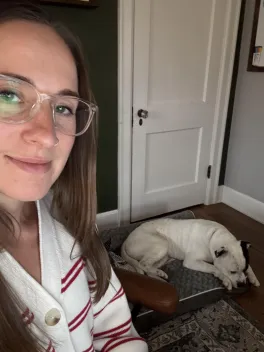
Our December MCDB Alumni Spotlight is highlighting Dr. Emily Nordquist! Dr. Nordquist is a project manager in the Transformation Management Office at Solventum. She graduated from MCDB in 2021.
We asked Dr. Nordquist some questions about her time in MCDB, as well as her career after graduating.
What is your current job and what does that entail?
I'm currently a Project Manager in the Transformation Management Office (TMO) at Solventum. Solventum was previously 3M Healthcare and recently spun off to be a standalone public company that innovates and produces medical devices like negative pressure wound therapies, orthodontics, and health information systems software. In the TMO, my role focuses on leading enterprise-wide initiatives that improve the efficiency of the company and help execute on the major strategic priorities.
How does your work relate to your time in the MCDB program? How did your time in MCDB prepare you for this job?
While Solventum as a company does do R&D and innovate new products, the work I'm in now is a little bit removed from technical science and the biology I learned during my PhD. However, project management is an essential skill during a PhD that definitely applies to the role I'm in now and probably applies to 90% of the jobs out there. As a PhD, you are in charge of your full project end to end. That requires a lot of planning, thinking, coordination, collaboration, sequencing, etc., and that level of project management is not something many people get such detailed experience in. I also think my time in MCDB helped me learn how to quickly intake a lot of information and quickly distill the most important points for my work, and that is something I do every day in my current job.
Are there any specific accomplishments that you're proud of since graduating that you would like to highlight?
My first job since graduating MCDB was in management consulting at a large firm, focused on healthcare projects. It was a fantastic learning experience and I would highly recommend it, but ultimately it wasn't the right career for me long-term. Even though it was hard to leave a secure, stable job, I'm proud of the decision I made to create a new path into the type of role that is a better fit for me. Career choices often feel super critical when we make them, but you can always pivot - just make the best decision you can with the information you have at the time!
What is your favorite memory that you have of MCDB?
The best moments were all the little ones with MCDB friends between classes, studying, tailgating, grabbing coffee. But my favorite specific memory was traveling to London with my lab for a conference and then spending a few extra days exploring the city. I know it's not a part of the question but I just have to say, my least favorite memory is mouse work...
What is one piece of advice that you have for current MCDB students? (This can be related to finding a job outside of the program, lab work, something about campus, etc.)
Plan with intention, but adapt as needed, especially when it comes to career. It's super helpful to make a 1 year, 3 year, 5 year plan to help focus on what's important, but new opportunities might come up along the way that shift your whole perspective. Don't be afraid to experiment and trust yourself to know what's best for you at any given fork in the road.
What's something fun or interesting that you've done recently?
I recently adopted a dog with my husband! We've been wanting a dog for a long time, but when I was in the MCDB program and for a few years after when I was in a more intense job and traveling a lot for work, it wasn't the right time. But we finally got to a point in our lives where it made sense, so we went for it! His name is Armadillo and he is in the photo I shared, keeping me company while I work!
Is there anywhere online where students can learn more about your work or connect with you?
Yes! On LinkedIn (linkedin.com/emily-nordquist/) or email (emily.m.nordquist@gmail.com). Would be happy to connect on chat about my specific career or career advice in general.